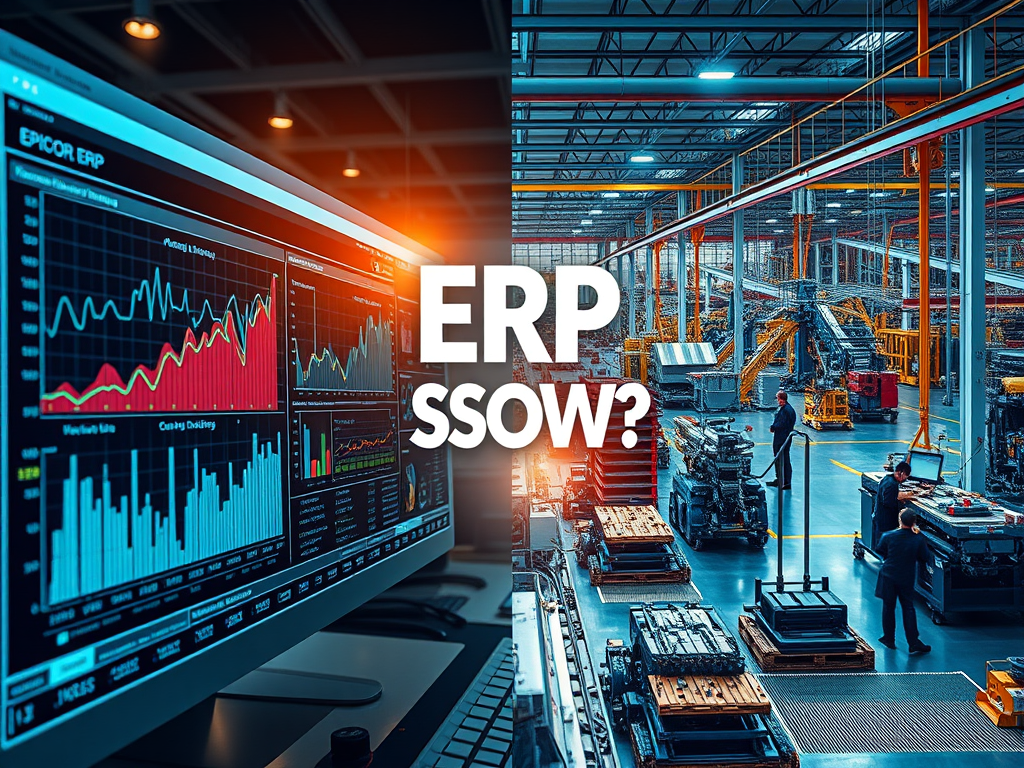
Enterprise Resource Planning (ERP) systems have always served as the backbone of business operations, connecting finance, supply chain, manufacturing, human resources, and customer management into a single platform. However, as technology continues to evolve, traditional ERP systems are no longer enough. Modern businesses face increasing pressure to operate more efficiently, respond rapidly to market changes, and make smarter data-driven decisions. This shift is leading organizations to adopt next-generation ERP systems, characterized by deeply integrated Internet of Things (IoT) devices, advanced analytics, and machine learning (ML) capabilities.
These emerging technologies are not simply add-ons—they are transforming ERP from a system of record into a system of intelligence. Below is a detailed look at how IoT, analytics, and machine learning are shaping the future of ERP and enabling organizations to achieve unprecedented levels of efficiency, visibility, and performance.
1. IoT Integration: Connecting the Physical and Digital Worlds
The Internet of Things has become a critical component of next-generation ERP systems. IoT devices—ranging from sensors on manufacturing equipment to connected vehicles, wearables, and smart inventory systems—enable businesses to collect real-time data from the physical world. When integrated with ERP, this data provides insights that were previously impossible to obtain.
Real-Time Operational Visibility
IoT-enabled ERP systems allow organizations to monitor operations instantly. For example, sensors on factory machines can detect temperature, vibration, and performance data. When this information flows into the ERP system, managers can track production efficiency in real time and detect abnormalities before they escalate into costly failures.
In supply chain operations, IoT tracking devices help monitor shipment location, environmental conditions, and delivery timelines. This level of transparency helps reduce delays, improve customer satisfaction, and minimize losses from damaged or misplaced goods.
Predictive Maintenance
One of the most valuable uses of IoT in ERP is predictive maintenance. Instead of relying on scheduled maintenance or manual inspections, sensors can automatically detect early signs of machine wear or malfunction. The ERP system analyzes this data to predict when a machine will require maintenance.
This approach reduces downtime, prevents unexpected breakdowns, and extends equipment life. Companies benefit from significant cost savings, improved safety, and higher production output.
Inventory Accuracy and Automation
IoT also revolutionizes inventory management. Smart shelves, RFID tags, and scanners automatically update stock levels in the ERP system, eliminating manual counting errors. Businesses can maintain optimal inventory levels, reduce waste, and streamline warehouse operations.
2. Advanced Analytics: Turning Data Into Strategic Decisions
ERP systems generate enormous amounts of data, but raw data alone holds little value unless it is properly analyzed. Next-generation ERP platforms integrate advanced analytics tools that help organizations uncover trends, understand performance metrics, and make strategic decisions with confidence.
Real-Time Data Dashboards
Modern ERP systems come equipped with customizable dashboards that present real-time data in a clear, visual format. Decision-makers can monitor KPIs such as production output, financial performance, inventory turnover, customer satisfaction, and sales forecasts.
These dashboards offer instant insight, allowing leaders to respond quickly to operational challenges or new opportunities.
Predictive and Prescriptive Analytics
Traditional ERP analytics focused mostly on historical reporting. Today’s advanced ERP systems use predictive analytics to forecast future outcomes based on historical data, patterns, and external factors. For example:
Predicting customer demand
Forecasting sales and revenue
Anticipating supply chain disruptions
Estimating resource needs
Prescriptive analytics takes this a step further by providing specific recommendations. If a forecast shows an upcoming inventory shortage, the ERP system may suggest adjusting production levels or reordering materials.
Enhanced Financial Planning and Budgeting
Analytics tools within next-generation ERP systems allow finance teams to run complex scenarios, simulate budgeting outcomes, and evaluate risks. This leads to more accurate forecasts and better long-term planning.
3. Machine Learning: Bringing Intelligence to Every Business Process
Machine learning is one of the most transformative technologies in next-generation ERP systems. By analyzing vast datasets and continuously learning from new information, ML algorithms enable ERP to deliver actionable insights, automate tasks, and optimize processes.
Smart Automation
ERP systems integrated with machine learning can automate repetitive and error-prone tasks such as:
Invoice processing
Purchase order matching
Data entry
Fraud detection
Employee scheduling
Smart automation reduces workloads, minimizes human errors, and frees employees to focus on higher-value tasks.
Improved Decision-Making
Machine learning models can analyze patterns and highlight insights that humans might overlook. For example, an ML-enabled ERP system might identify unusual spending patterns, detect inefficiencies in production, or suggest optimal pricing strategies.
This level of intelligence helps businesses make more informed, strategic decisions.
Enhanced Customer Experience
Machine learning also improves customer-facing operations. By analyzing customer behavior, purchase history, and feedback, ERP systems can predict customer preferences, personalize recommendations, and optimize service delivery.
4. The Business Benefits of Next-Generation ERP
The integration of IoT, analytics, and machine learning brings powerful advantages to businesses across industries.
Higher Efficiency and Reduced Costs
Automation, predictive maintenance, and real-time insights lead to streamlined operations and lower operational costs.
Improved Agility and Responsiveness
Businesses can react faster to disruptions, market shifts, and customer demands, gaining a competitive advantage.
Better Collaboration and Data Transparency
With integrated systems and real-time data, teams across departments can work together more effectively.
Stronger Strategic Decision-Making
Advanced analytics and machine learning provide leaders with the insights needed to plan confidently and accurately.
5. Conclusion: A New Era of Intelligent ERP
Next-generation ERP systems mark a significant leap forward from traditional ERP platforms. By integrating IoT, analytics, and machine learning, businesses gain real-time visibility, predictive intelligence, and smart automation across all operations.
As digital transformation accelerates globally, organizations that adopt next-generation ERP will be better equipped to innovate, compete, and thrive in the modern business landscape. IoT enables real-time data collection, analytics convert this data into strategic insights, and machine learning uses the information to optimize and automate operations. Together, these technologies create a powerful, intelligent ERP ecosystem that drives growth and efficiency.
Businesses ready to embrace this evolution will unlock new opportunities, future-proof their operations, and lead confidently into the next era of digital enterprise management.